


 By guest - July 27, 2026
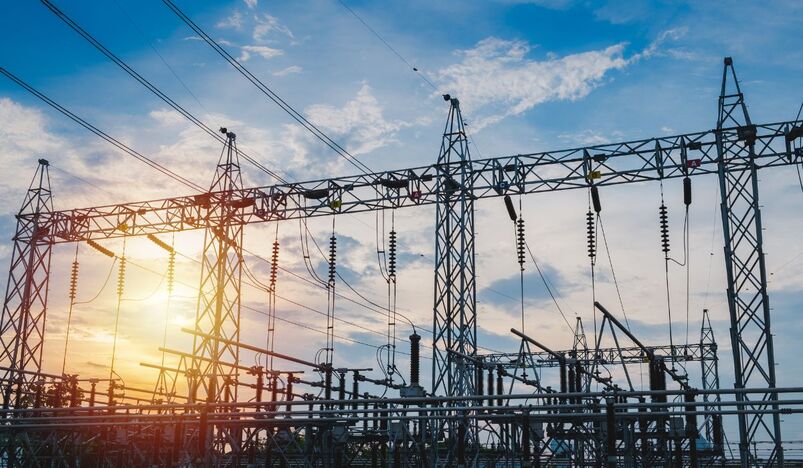
“Using the least electricity” can mean two different things. Measured by total national consumption, the smallest users are tiny states and territories — small island nations and microstates whose low totals simply reflect small populations. The more revealing measure is consumption per person, and by that yardstick the world’s lowest users form a strikingly consistent group, concentrated overwhelmingly in Sub-Saharan Africa.
The lowest per-capita consumers
At the very bottom of the per-capita table sit Chad and Niger. According to data compiled in 2026 from Ember and the Energy Institute, an average person in Chad uses only about 21 kilowatt-hours of electricity a year, and in Niger about 31 — figures amounting to less than one percent of what a typical resident of a high-income country consumes. Other countries clustered near the bottom include South Sudan, Burundi, the Democratic Republic of Congo, the Central African Republic, Sierra Leone and Liberia. As a group, low-income countries average just 198 kilowatt-hours per person a year, under six percent of the global average.
A staggering gap
The distance between the top and bottom of the table is hard to overstate. The heaviest per-capita users are small, energy-rich or industry-heavy nations; the lightest are among the world’s poorest. Put side by side, a resident of Iceland consumes on the order of 2,500 times more electricity than someone in Chad.
|
Country / group |
Electricity per person (kWh/year) |
|
Iceland (highest) |
51,915 |
|
Norway |
27,818 |
|
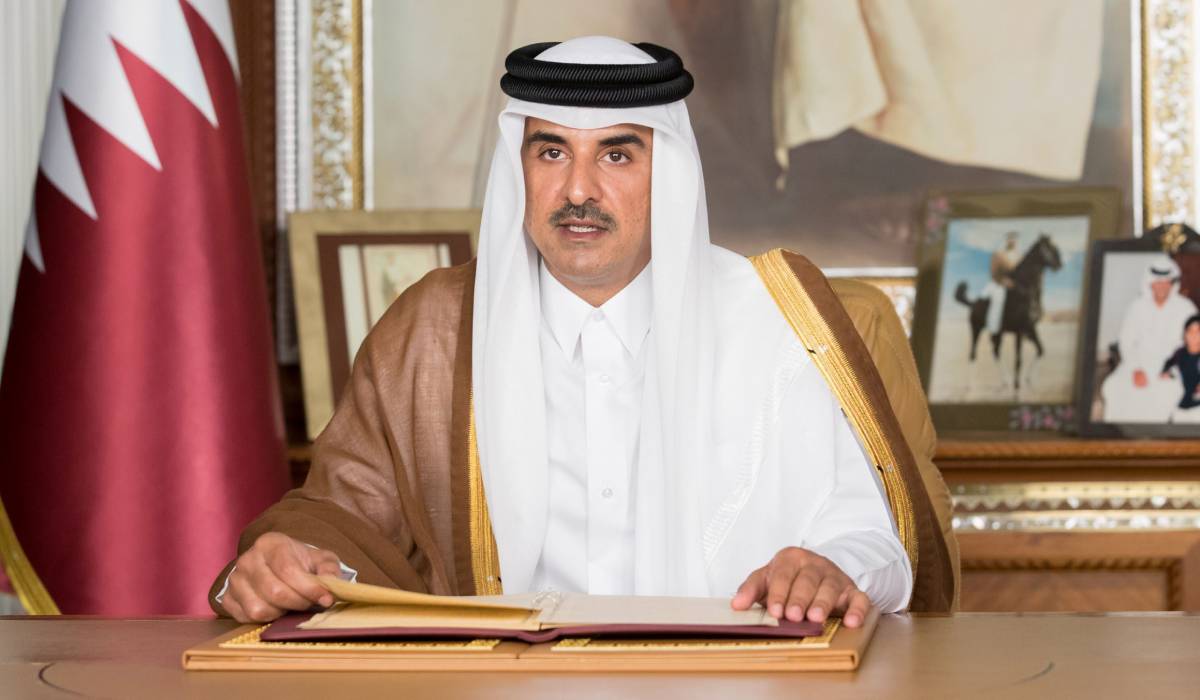
Qatar |
18,509 |
|
China (for comparison) |
6,647 |
|
Low-income country average |
198 |
|
Niger |
~31 |
|
Chad (lowest) |
~21 |
The access lens: who has power at all
A closely related way to read “least electricity” is by access the share of people who can plug in at all. Here the same countries dominate. South Sudan was the least-electrified nation in the world in 2022, with only about 8.4 percent of its population able to access electricity, and Burundi was only slightly better at around ten percent. More recent rankings place the least-served countries South Sudan, Burundi, Chad and the Democratic Republic of Congo among them with coverage roughly in the 12-to-22 percent range. As of 2022, the twenty least-electrified countries were all in Africa, with the sole exception of Papua New Guinea.
Why the figures are so low
Crucially, these small numbers do not reflect efficient or frugal societies. They reflect energy poverty: missing grids, limited generation capacity, difficult rural terrain, underinvestment and, in some cases, conflict and instability. Where power is scarce, households lean instead on biomass firewood and charcoal for cooking and heat, and on small solar units or generators for the little electricity they do use. Roughly 655 million people worldwide still live without access to electricity, and Sub-Saharan Africa accounts for about 85 percent of that gap.
That also means the picture is changing. Electrification has expanded dramatically over the past two decades, and large initiatives such as the Mission 300 program, which aims to connect 300 million more Africans to power by 2030 are targeting exactly these countries. The nations at the bottom of today’s table are, in many cases, the ones where demand is set to grow fastest.
A note on the numbers
Per-capita electricity figures vary noticeably between sources and years — depending on whether they measure consumption or generation, how they treat imports and losses, and which population estimate they use. Chad, for instance, appears at anywhere from about 13 to 21 kilowatt-hours per person depending on the dataset. Any published ranking should therefore name its source and year, as the table above does.
_09-22-2026_01-22.png)
_21-42-2026_10-42.jpg)

_20-08-2026_05-08.jpg)
_27-51-2026_11-51.png)
_27-43-2026_12-43.png)



.jpg)
.jpg)




.jpg)


.jpg)
.png)
.jpg)









Leave a comment